San Francisco events thrive on cultural richness, tech innovation, and diverse venues, attracting global visitors. Key insights:
– Tech Events: San Francisco's tech industry drives event success with conferences like Web Summit, shaping technology landscapes.
– Cultural Festivals: Events like the San Francisco International Film Festival enhance the city's cultural reputation.
– Venue Selection: Organizers strategically choose locations showcasing the city's innovation, aligning with attendees' interests for higher engagement.
– Audience Understanding: Market analysis blends qualitative insights and data analytics to target key audiences and tailor experiences.
– Ticketing & Access: Modern ticketing technologies ensure efficient access management while providing valuable data insights.
– Marketing Strategies: A multi-faceted approach leveraging social media, data analytics, technology, and unique experiences ensures success against competition from other San Francisco events naturally.
San Francisco events have long been a cultural highlight, attracting visitors from around the globe for their vibrant tapestry of performances, exhibitions, and festivals. However, managing ticket sales and distribution for these events can present significant challenges. The complexity increases with scale, as major gatherings necessitate robust ticket management systems to ensure a seamless experience for attendees while maximizing revenue for organizers. This article delves into the intricacies of ticketing for large-scale events in San Francisco, exploring innovative solutions that streamline operations, enhance security, and elevate the overall event experience.
- San Francisco Events: Defining a Ticketed Hub
- Location Considerations for Event Success
- Market Analysis: Understanding Audience Needs
- Venue Selection and Contract Negotiations
- Ticketing Systems: Efficient Access Management
- Marketing Strategies to Attract Crowds
San Francisco Events: Defining a Ticketed Hub
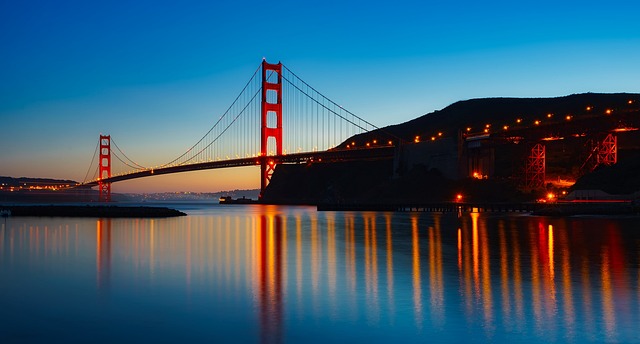
San Francisco events have long been renowned for their vibrancy and diversity, attracting visitors from around the globe. In recent years, the city has emerged as a thriving hub for ticketed events, particularly in the tech sector. This dynamic shift is driven by San Francisco’s unique blend of cultural richness, technological innovation, and entrepreneurial spirit. The city hosts a wide array of ticketed events that cater to varied interests, from cutting-edge technology conferences to world-class music festivals and art exhibitions.
One prominent aspect contributing to San Francisco’s status as a premier event destination is its thriving tech industry. San Francisco tech events have become pivotal in shaping the global tech landscape, drawing leading entrepreneurs, investors, and innovators. Conferences like Web Summit, which regularly packs the Moscone Center, offer unparalleled networking opportunities and showcase groundbreaking advancements in fields such as artificial intelligence, blockchain, and cybersecurity. These events not only foster knowledge exchange but also contribute significantly to the city’s economic vitality. According to recent reports, San Francisco’s tech industry supports over 100,000 jobs, making it a key driver of local employment and economic growth.
Moreover, San Francisco’s cultural richness adds immense value to its event scene. The city boasts world-class museums, theaters, and performance venues that host captivating art exhibitions, theater productions, and musical performances. For instance, the San Francisco Symphony regularly hosts sold-out concerts at the War Memorial Opera House, attracting music aficionados from across the Bay Area and beyond. Similarly, cultural festivals like the San Francisco International Film Festival celebrate the city’s diverse artistic heritage, drawing film enthusiasts and industry professionals alike. These events not only enrich the local community but also position San Francisco as a global cultural hub, further enhancing its reputation as an attractive destination for both locals and visitors.
Location Considerations for Event Success
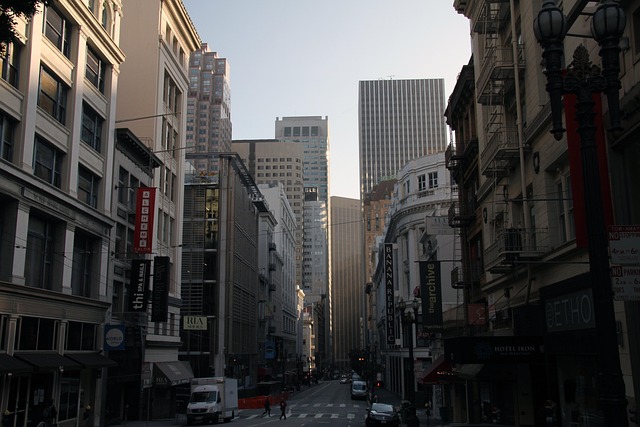
When planning a ticketed event, particularly in competitive markets like San Francisco, location plays an indispensable role in its success. The city’s vibrant cultural landscape offers a plethora of venues, each with unique characteristics that can either elevate or dampen your event’s impact. For organizers, understanding how to harness the energy of specific locations is key to creating memorable experiences that resonate with attendees.
San Francisco, known for its tech hub status, plays host to numerous San Francisco tech events throughout the year. Venues in this city must cater to a diverse range of preferences and budgets while also reflecting the area’s forward-thinking nature. For example, historic buildings like the Mechanics’ Institute offer a blend of old-world charm and modern amenities, appealing to both tech professionals and history enthusiasts during tech talks and networking sessions. Conversely, outdoor spaces such as Dolores Park provide a relaxed atmosphere, ideal for casual gatherings and informal San Francisco events where attendees can mingle freely while enjoying the city’s renowned sunshine.
Location selection isn’t merely about aesthetics; it significantly influences attendance, sponsorship appeal, and overall event ambiance. Data suggests that attendees are more likely to attend events in locations that align with their interests and expectations. This is why integrating local themes or leveraging iconic landmarks within event design can significantly enhance engagement during San Francisco events. For tech-focused gatherings, showcasing the city’s innovative spirit through modern venues or outdoor settings not only reflects the industry’s nature but also attracts a higher number of relevant attendees, fostering more meaningful connections within the San Francisco tech community.
Market Analysis: Understanding Audience Needs

In today’s competitive landscape, understanding audience needs is paramount for the success of any ticketed event hub, especially in vibrant cities like San Francisco known for their dynamic tech scene and diverse cultural offerings. The market analysis for such platforms involves delving into the unique preferences, behaviors, and motivations of attendees at San Francisco events naturally, from tech conferences to art exhibitions. This process requires a nuanced approach that combines qualitative insights with robust data analytics.
By examining demographic trends and participation patterns in San Francisco tech events, for instance, organizers can identify key target audiences: early adopters, industry influencers, and startup founders, each with distinct consumption patterns and expectations. For example, a deep dive into attendee profiles at recent tech meetups could reveal that millennials represent 70% of the audience, with a strong preference for interactive workshops over traditional keynote speeches. This knowledge allows event planners to tailor content and formats accordingly, ensuring high engagement and satisfaction levels.
Moreover, leveraging advanced analytics tools can provide valuable insights into audience sentiment and feedback across various San Francisco events naturally. Sentiment analysis of social media conversations and post-event surveys can help identify pain points and areas for improvement, enabling organizers to make data-driven adjustments. For instance, if a majority of attendees at a startup pitch competition suggest improving networking opportunities, the event hub could introduce dedicated breakout sessions or interactive platforms designed to foster meaningful connections among participants. Such strategic adaptations not only enhance attendee experiences but also contribute to sustained growth and profitability.
Venue Selection and Contract Negotiations

Selecting the ideal venue for any event is a critical step, especially in vibrant cities like San Francisco, renowned for its dynamic events scene. For organizers planning high-profile gatherings, such as tech conferences and industry meetups that are integral to the city’s thriving tech ecosystem—like numerous San Francisco tech events—the venue choice can significantly impact attendance, speaker engagement, and overall event success. The process involves a delicate balance of identifying spaces that not only accommodate the expected attendee numbers but also embody the event’s brand and atmosphere.
Contract negotiations play an equally vital role in ensuring a successful event. Venue contracts are legal agreements that lay out the terms and conditions for using a specific space, from rental fees to liability coverage. Skilled organizers anticipate these needs early in the planning process, allowing them to secure favorable deals. For instance, negotiating flexible terms regarding setup and teardown times can enhance logistics efficiency, while detailed clauses addressing audio-visual requirements ensure the seamless delivery of presentations and demonstrations, crucial elements for tech events in San Francisco.
When selecting a venue, organizers should consider both traditional and innovative options. Historic venues with architectural allure can evoke a sense of prestige, while modern event spaces offer state-of-the-art technology and flexible designs suitable for adaptable formats like panel discussions, workshops, or networking receptions. San Francisco’s diverse range of venues caters to various budgets and themes, ensuring organizers find the perfect fit for their events. By combining thoughtful venue selection with meticulous contract negotiations, event planners can create unforgettable experiences that attract participants from across the tech industry.
Ticketing Systems: Efficient Access Management
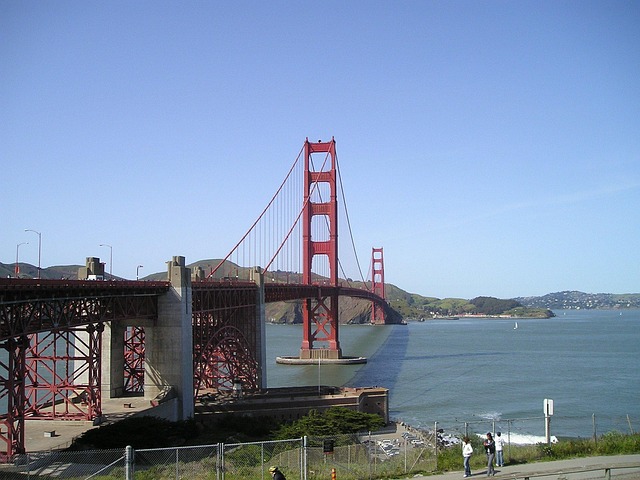
San Francisco events, renowned for their vibrancy and diversity, demand efficient access management to ensure a seamless experience for attendees. In this competitive landscape, ticketing systems play a pivotal role in streamlining entry processes and enhancing security. For organizers of San Francisco tech events, implementing robust ticket management strategies is crucial to managing crowds and maintaining order.
One of the key advantages of modern ticketing systems is their ability to offer diverse access control options tailored to specific event needs. From QR code scans on smartphones to contactless technologies like NFC (Near Field Communication), these innovations provide quick, secure entry while reducing lines and wait times. For instance, a tech startup conference in San Francisco utilized mobile ticketing with real-time capacity tracking, allowing attendees to enter without delays, even during peak hours. This approach not only improved attendee satisfaction but also enabled organizers to closely monitor event crowd dynamics.
Furthermore, integrated data analytics within ticketing systems offer valuable insights for future events. By analyzing ticket sales, entry patterns, and attendee demographics, organizers can make data-driven decisions to optimize layouts, staffing, and promotional strategies. For example, a study of San Francisco’s annual tech festival revealed that early bird ticket purchases significantly increased overall attendance, leading to more efficient capacity planning for subsequent years. Embracing these advancements in ticketing systems is essential for keeping San Francisco events at the forefront of innovation, ensuring they remain dynamic, accessible, and profitable.
Marketing Strategies to Attract Crowds
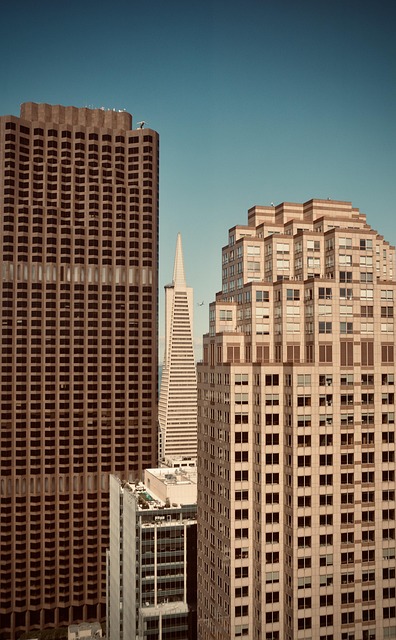
Marketing strategies to attract crowds are paramount for the success of any ticketed event hub, particularly within competitive markets like San Francisco events and san francisco tech events. The key lies in understanding your target audience, leveraging data-driven insights, and creating unique experiences that resonate.
San Francisco’s vibrant cultural landscape and thriving tech scene demand innovative approaches to stand out from the crowd. Event organizers must go beyond basic promotion and adopt multi-faceted strategies. For instance, leveraging social media platforms not only for advertising but also for building community engagement through interactive content and influencer partnerships can significantly boost attendance. Data analytics plays a crucial role as well; analyzing past event data to identify trends in attendee demographics and preferences allows for targeted marketing and personalized experiences.
Moreover, integrating technology enhances both the planning and execution phases. Online ticketing platforms not only streamline purchases but also provide valuable customer data for future marketing campaigns. Virtual and augmented reality technologies offer creative ways to showcase events, reaching a broader audience beyond San Francisco’s physical boundaries. For example, hosting immersive virtual tours of upcoming festivals or concerts can attract tech-savvy individuals participating in san francisco tech events from around the globe.
Ultimately, successful marketing for ticketed event hubs in competitive cities like San Francisco requires a blend of strategic planning, data utilization, and technological innovation. By creating memorable experiences tailored to specific audiences, organizers can ensure sustained success and continued growth even amidst robust competition from other San Francisco events.